Tarot guide
Tarot Card Meanings
All 78 cards, upright and reversed, in plain words.
A tarot deck has 78 cards. The 22 Major Arcana stand for the big lessons and turning points of a life. The 56 Minor Arcana, four suits of fourteen cards, speak to everyday matters: work, love, thoughts and plans. Choose a card to read its upright and reversed meaning and the keywords readers use to remember it.
Major Arcana
22 cardsTwenty-two cards, from The Fool to The World: the big lessons, turning points and characters of a life's journey.
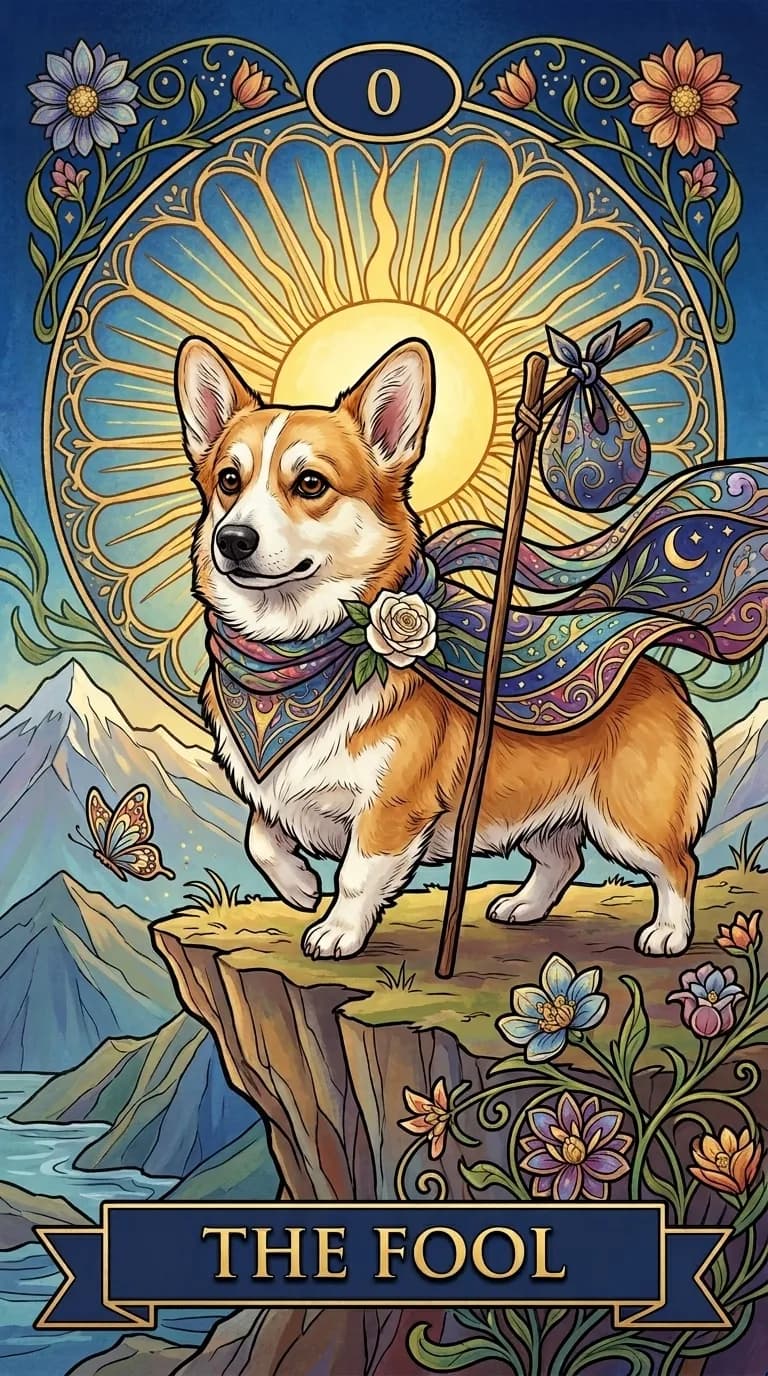
- 0The Foolnew beginnings · innocence · spontaneity
- IThe Magicianmanifestation · willpower · creation
- IIThe High Priestessintuition · mystery · inner knowledge
- IIIThe Empressabundance · fertility · nurturing
- IVThe Emperorauthority · structure · leadership
- VThe Hierophanttradition · spiritual wisdom · conformity
- VIThe Loverslove · harmony · choices
- VIIThe Chariotwillpower · determination · victory
- VIIIStrengthcourage · inner strength · compassion
- IXThe Hermitintrospection · solitude · guidance
- XWheel of Fortunecycles · fate · destiny
- XIJusticefairness · truth · law
- XIIThe Hanged Mansurrender · new perspective · sacrifice
- XIIIDeathtransformation · endings · transition
- XIVTemperancebalance · moderation · patience
- XVThe Devilshadow self · attachment · materialism
- XVIThe Towersudden change · upheaval · revelation
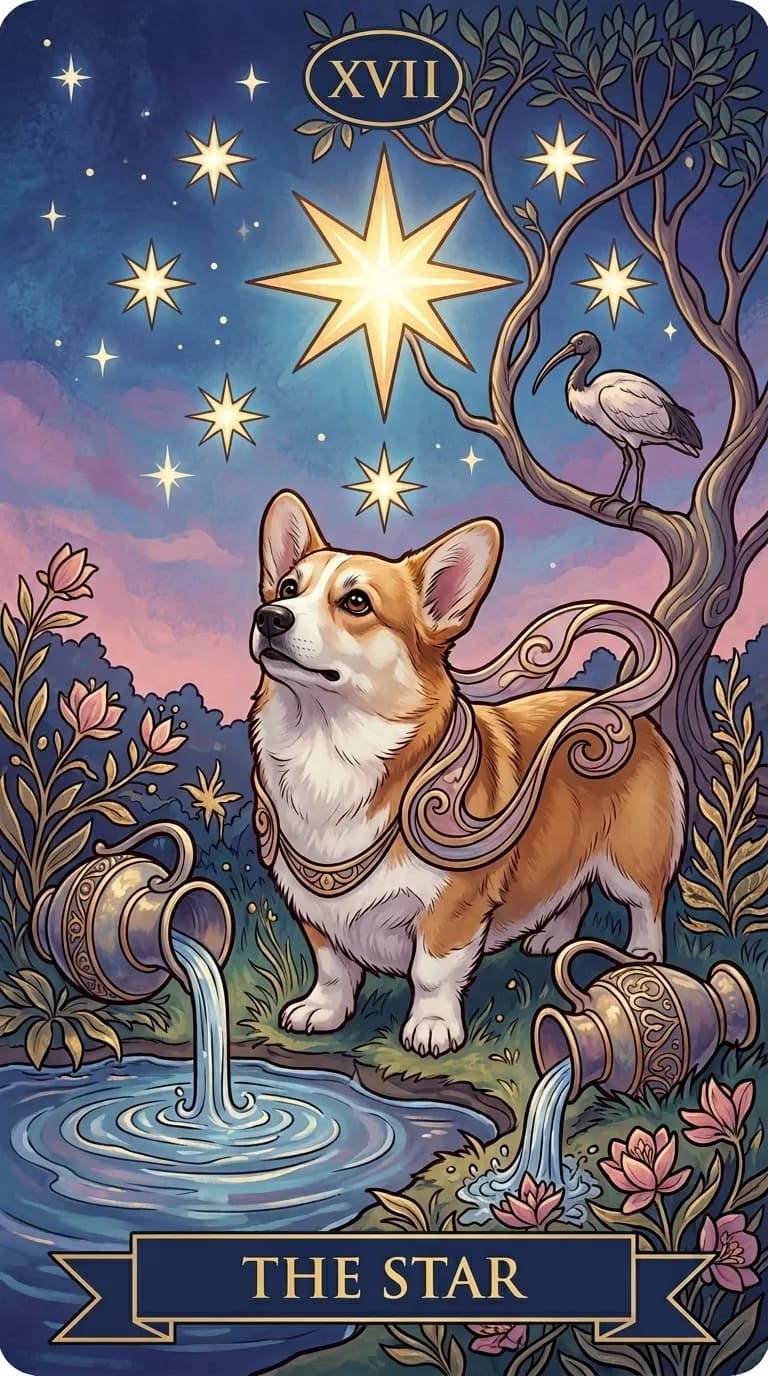
- XVIIThe Starhope · inspiration · serenity
- XVIIIThe Moonillusion · intuition · the unconscious
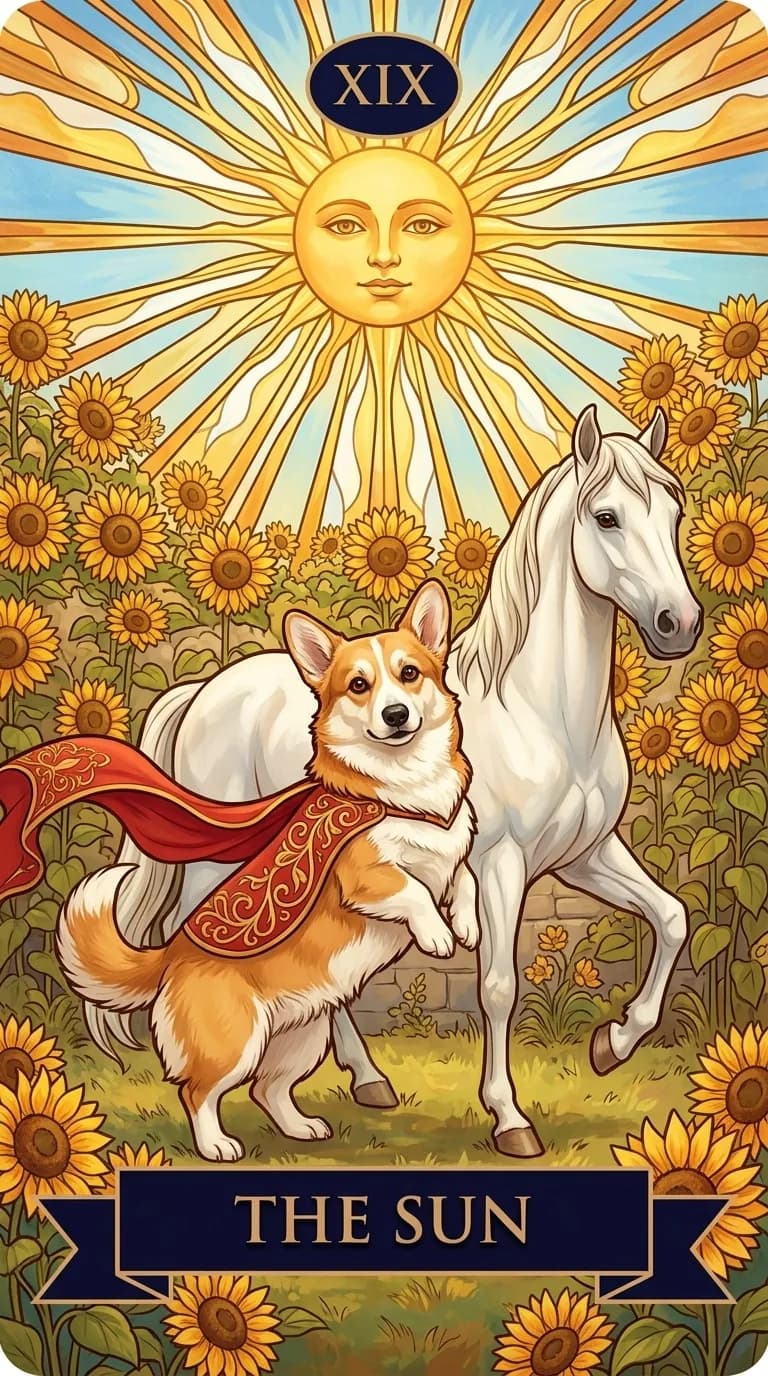
- XIXThe Sunjoy · success · vitality
- XXJudgementrebirth · inner calling · absolution
- XXIThe Worldcompletion · integration · accomplishment
Wands
14 cardsThe suit of fire: energy, creativity, ambition and the spark that gets things started.
- Ace of Wandsinspiration · new beginnings · creative spark
- Two of Wandsplanning · decisions · discovery
- Three of Wandsexpansion · foresight · enterprise
- Four of Wandscelebration · harmony · homecoming
- Five of Wandsconflict · competition · struggle
- Six of Wandsvictory · recognition · triumph
- Seven of Wandsdefense · perseverance · challenge
- Eight of Wandsspeed · movement · swift action
- Nine of Wandsresilience · courage · persistence
- Ten of Wandsburden · responsibility · hard work
- Page of Wandsenthusiasm · exploration · discovery
- Knight of Wandsadventure · energy · passion
- Queen of Wandsconfidence · warmth · determination
- King of Wandsleadership · vision · entrepreneurship
Cups
14 cardsThe suit of water: love, emotions, friendship and intuition.
- Ace of Cupslove · new feelings · compassion
- Two of Cupspartnership · unity · connection
- Three of Cupscelebration · friendship · joy
- Four of Cupscontemplation · apathy · reevaluation
- Five of Cupsloss · regret · grief
- Six of Cupsnostalgia · innocence · memories
- Seven of Cupsillusion · fantasy · choices
- Eight of Cupsdeparture · withdrawal · seeking deeper meaning
- Nine of Cupssatisfaction · contentment · wishes fulfilled
- Ten of Cupsharmony · family · happiness
- Page of Cupscreative opportunity · intuition · curiosity
- Knight of Cupsromance · charm · imagination
- Queen of Cupscompassion · intuition · emotional depth
- King of Cupsemotional balance · diplomacy · calm authority
Swords
14 cardsThe suit of air: thoughts, truth, decisions and conflict.
- Ace of Swordsclarity · breakthrough · truth
- Two of Swordsindecision · stalemate · blocked emotions
- Three of Swordsheartbreak · sorrow · grief
- Four of Swordsrest · recuperation · contemplation
- Five of Swordsdefeat · betrayal · conflict
- Six of Swordstransition · passage · moving forward
- Seven of Swordsdeception · strategy · stealth
- Eight of Swordsrestriction · imprisonment · helplessness
- Nine of Swordsanxiety · nightmares · despair
- Ten of Swordsendings · rock bottom · painful conclusion
- Page of Swordscuriosity · mental agility · vigilance
- Knight of Swordsaction · speed · ambition
- Queen of Swordsperception · clear boundaries · independence
- King of Swordsauthority · truth · intellectual power
Pentacles
14 cardsThe suit of earth: work, money, home, health and the things we build.
- Ace of Pentaclesprosperity · new opportunity · manifestation
- Two of Pentaclesbalance · adaptability · juggling
- Three of Pentaclesteamwork · craftsmanship · collaboration
- Four of Pentaclessecurity · control · possessiveness
- Five of Pentacleshardship · isolation · poverty
- Six of Pentaclesgenerosity · charity · sharing
- Seven of Pentaclespatience · assessment · investment
- Eight of Pentaclesdiligence · mastery · skill development
- Nine of Pentaclesluxury · self-sufficiency · refinement
- Ten of Pentacleslegacy · inheritance · family wealth
- Page of Pentaclesstudiousness · new skill · ambition
- Knight of Pentaclesreliability · hard work · methodical
- Queen of Pentaclesnurturing abundance · practical wisdom · comfort
- King of Pentacleswealth · business acumen · discipline
Make it yours
See your pet — or yourself — on the cards
A tarot deck made from your photo, only for you: from The Fool to The World, every card stars the one you love. See your first card free in about a minute.
Try a free tarot reading
Draw a card for today or lay out a full spread. It's free, with no sign-up.
Common questions about tarot card meanings
What does a reversed tarot card mean?
A card is reversed when it comes up upside down. Most readers take a reversed card as its upright meaning blocked, delayed or turned inward, rather than as its opposite. Every card page here gives both meanings.
Do I need to memorize all 78 cards?
No. Start with the keywords: they carry the heart of each card. Many people learn the deck one card at a time, drawing a card each day and reading its meaning.
What is the difference between the Major and Minor Arcana?
The 22 Major Arcana are the big themes, from The Fool to The World. The 56 Minor Arcana are the everyday details, in four suits: Wands for drive, Cups for feelings, Swords for thoughts and Pentacles for material life.
Can tarot predict the future?
Tarot works best as a tool for reflection: it helps you look at a situation from a new angle. Treat a reading as food for thought, not as a prediction or as professional advice.